Raleigh or Ral-Lee-Uh? Student Media Advisor Talks North Carolina Place Names
Have you ever wondered how to pronounce Conetoe (kuh-NEE-tuh)? What about Corolla (kuh-RAHL-uh)? Or Cabarrus (ka-BARE-us)?
Did the “t” in Manteo (MAN-ee-oh) up and leave and go to Wilson (WILT-son)?
Some North Carolina places have confusing pronunciations and that can catch newcomers off guard.
This phenomenon came to light recently, when former NFL player Chad “Ochocinco” Johnson dropped an interesting pronunciation of the state capital of Raleigh.
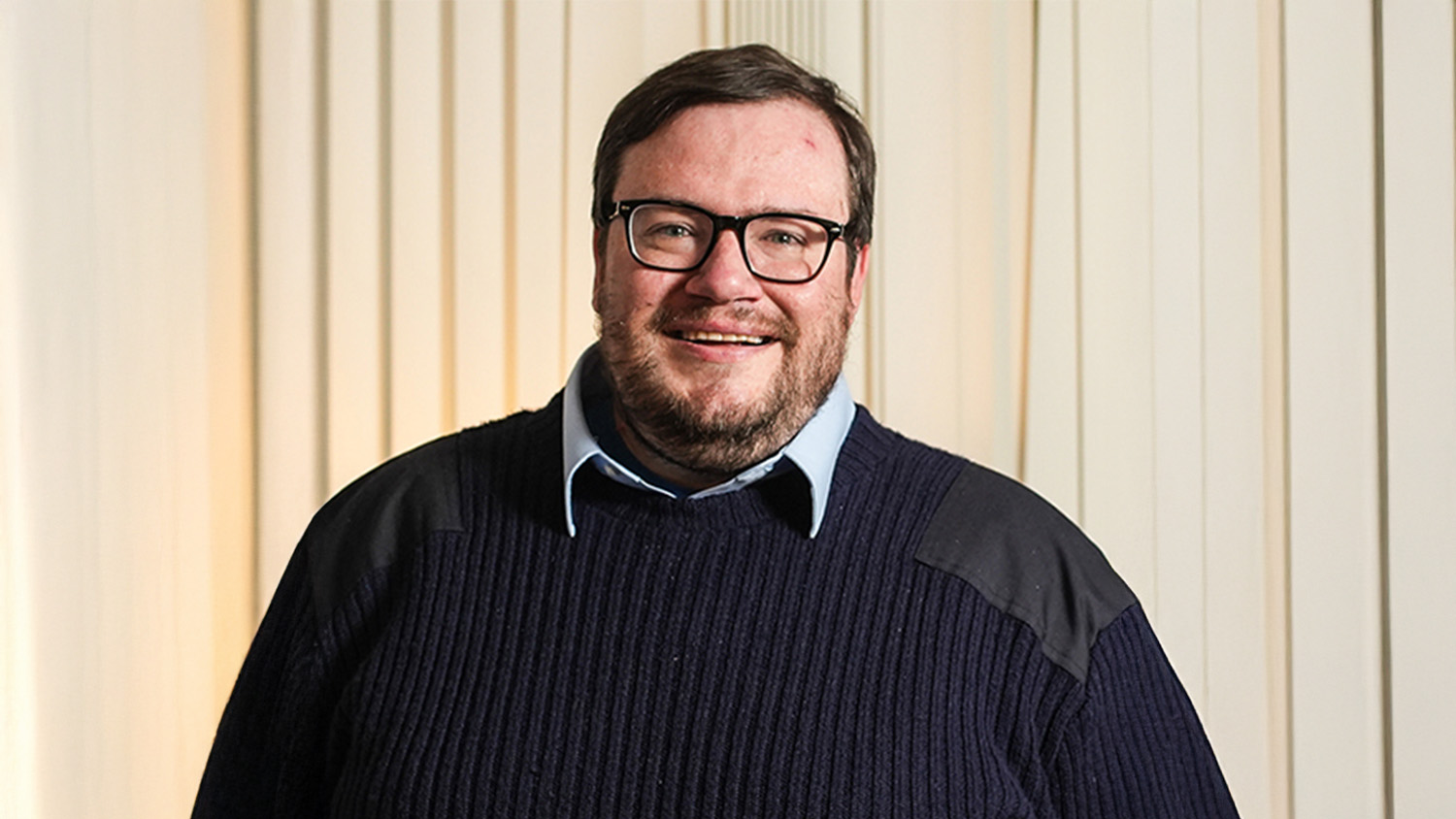
To help shed light on some of the trickiest place names in the state, Student Media’s Ben McNeely appeared on the North Carolina Rabbit Hole podcast.
Host Jeremy Markovich and McNeely explored the nuance behind place names and how one can tell the difference between a native and a newcomer just by how they pronounce place names.
Some examples:
- Appalachian: Is it App-uh-LATCH-uhn or App-uh-LAY-shun?
- How to pronounce the Mordecai neighborhood in Raleigh (It’s Mor-duh-KEY.)
- The difference between Charlotte and Shallotte (and how one can weaponize said difference)
McNeely is a North Carolina native, raised in Asheboro (where the zoo is). He said that while place names can be a shibboleth for “who’s from around here and who ain’t,” it’s not fair to judge people for what they don’t know.
“I always want to give folks the benefit of the doubt, especially since this state is one of the fastest-growing states in the country,” McNeely said. “The way I look at it is that people are coming here. They may not be native, but their kids are going to be native.”
NC State is no stranger to exploring the quirky nuances of language and diverse dialects in North Carolina.
The Language and Life Project, led by world-renowned linguist Walt Wolfram, is a nationally-recognized group that explores culture, language and place through research and award-winning documentaries.
If you’re interested in place names, check out the podcast, and see how many you get correct.
- Categories:


